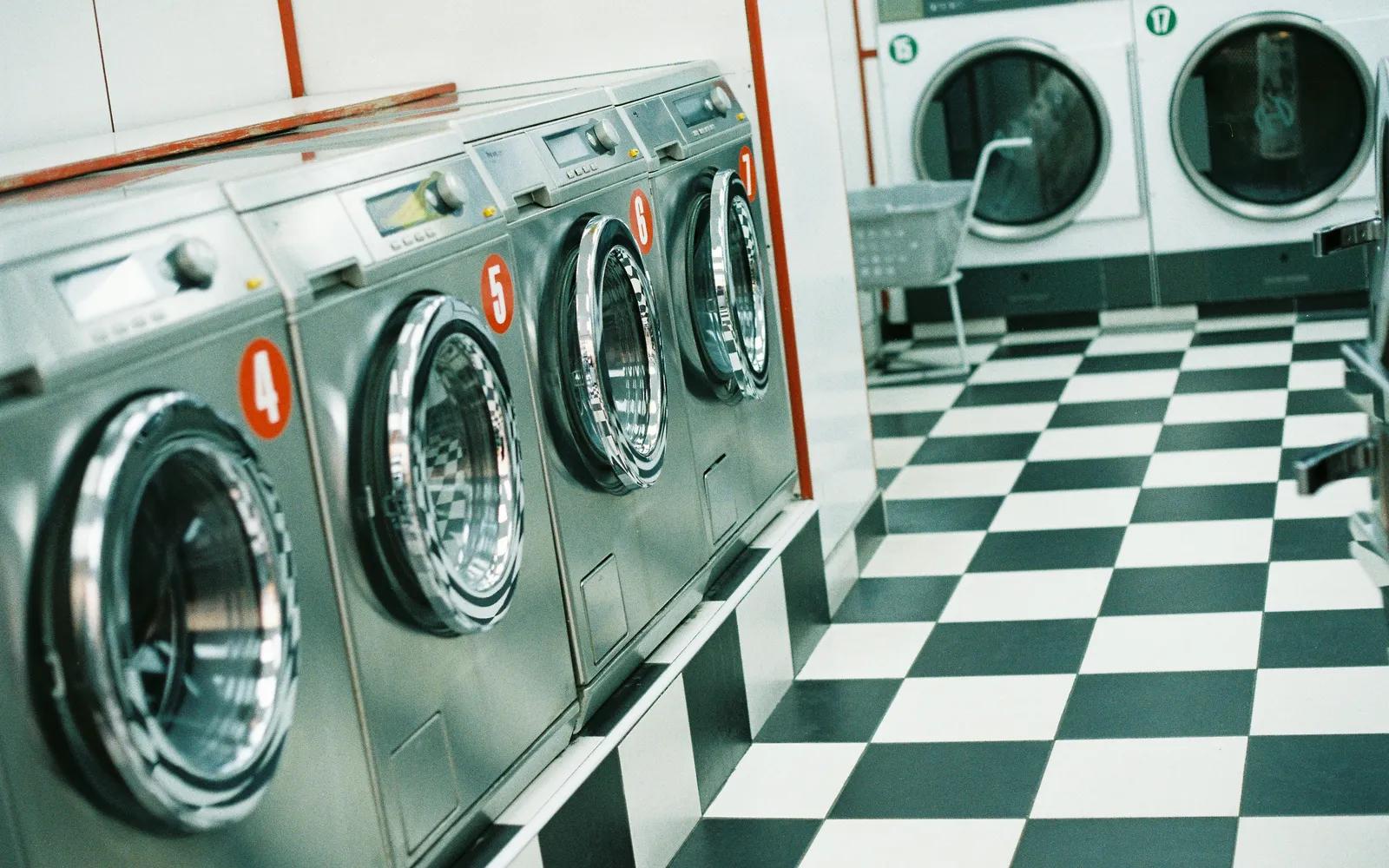
Laundromat financing usually covers one of three costs, and each has its own fit. To buy a laundromat, an SBA 7(a) loan spreads the price over up to 10 years, and we help owners get one through our lending partner, which takes weeks. To replace washers and dryers, equipment financing up to $500,000 spreads the cost of the machines over years, with offers typically in one to two business days. For a broken water heater or a quiet month, revenue-based financing from $5,000 to $2,000,000 or a line of credit up to $2,000,000 comes through in days. Whichever you need, the cash and coins your machines take in only count with a lender or funder once they reach your business bank account.
Most laundromats are small shops. The Census Bureau's 2022 Economic Census counted 10,773 locations with paid employees in coin-operated laundries and drycleaners, the category that covers laundromats. They were run by 9,538 companies and took in $5.5 billion in 2022, about $510,000 per location on average, with payroll of $1.01 billion. In the Bureau's County Business Patterns for 2023, 8,207 of the 10,890 locations, about three in four, had fewer than five employees. That puts the machines, the lease and steady deposits at the center of what a lender or funder reads.
Which laundromat financing fits each cost
Match the length of any laundromat or coin laundry financing to how long the thing it pays for will last. A store belongs on a long loan, machines on financing about as long as their working life, and a repair on money you pay back over weeks or months. Today Capital Group is a business funding marketplace, not a lender. One application goes to the funders in our network, SBA and bank loans go to our lending partner, and we go through the offers with you before anything is signed.
| What you need | Financing that usually fits | How fast | How it is repaid |
|---|---|---|---|
| Buying a laundromat | SBA 7(a) loan, including SBA Express, or a conventional bank loan through our lending partner | Weeks | Monthly, over up to 10 years for a purchase |
| New washers and dryers | Equipment financing up to $500,000 | Offers typically in one to two business days | Fixed payments, commonly over two to seven years |
| A repair or a quiet month | Revenue-based financing, $5,000 to $2,000,000 | Typically funded within one to two business days of choosing an offer | A set daily or weekly payment |
| Costs that come and go | Line of credit up to $2,000,000 | Offers in one to two business days | Weekly or monthly, on what you draw |
How an SBA loan for a laundromat purchase works
Through our lending partner, we help owners get SBA 7(a) loans, including SBA Express, and conventional bank loans. The lender makes the loan and sets the terms within SBA limits, and we are not the SBA or a government agency. The SBA's 7(a) program lists changes of ownership among its uses and goes up to $5 million. Its lending rulebook, SOP 50 10, caps SBA Express loans at $500,000 and says a 7(a) loan that pays for a change of ownership can be amortized over no more than 10 years.
The down payment, seller notes and the cash flow coverage a lender needs work as they do for any business purchase, as our guide to business acquisition loans explains. On a laundromat, the lender also looks hard at three things: the lease, the age of the machines and the records behind the revenue.
The lease
A laundromat's washers are often bolted to the floor and plumbed into a building the owner rents, so the business depends on the right to stay there. When the lesser of $500,000 or 30% of the loan goes to improvements in leased space, or the same share of the collateral is improvements, fixtures or machines attached to it, the lender gets a copy of the lease, and for a 7(a) loan the lease term, counting renewal options that only you can exercise, should run at least as long as the loan. The lender should also get an assignment of the lease and a waiver from the landlord, and if it cannot, the lease term has to cover the loan. On a 10-year purchase loan, that means about 10 years left on the lease, options included. If the seller has two years left, talk to the landlord about an extension before you sign the purchase agreement.
The age of the machines
Old machines count for little as collateral and will need replacing soon after you take over. On a change of ownership, the SOP lets the lender count used machinery and equipment at no more than 50% of net book value, or 80% of an orderly liquidation appraisal, minus any liens, when it works out whether the loan is fully secured. Ask the seller for a list of every machine with its make, capacity and year, and get a price for replacing the oldest ones. You can build that cost into the purchase, since a 7(a) loan can also pay for machinery, equipment and working capital, or plan to finance new machines once the store is yours.
The records behind the revenue
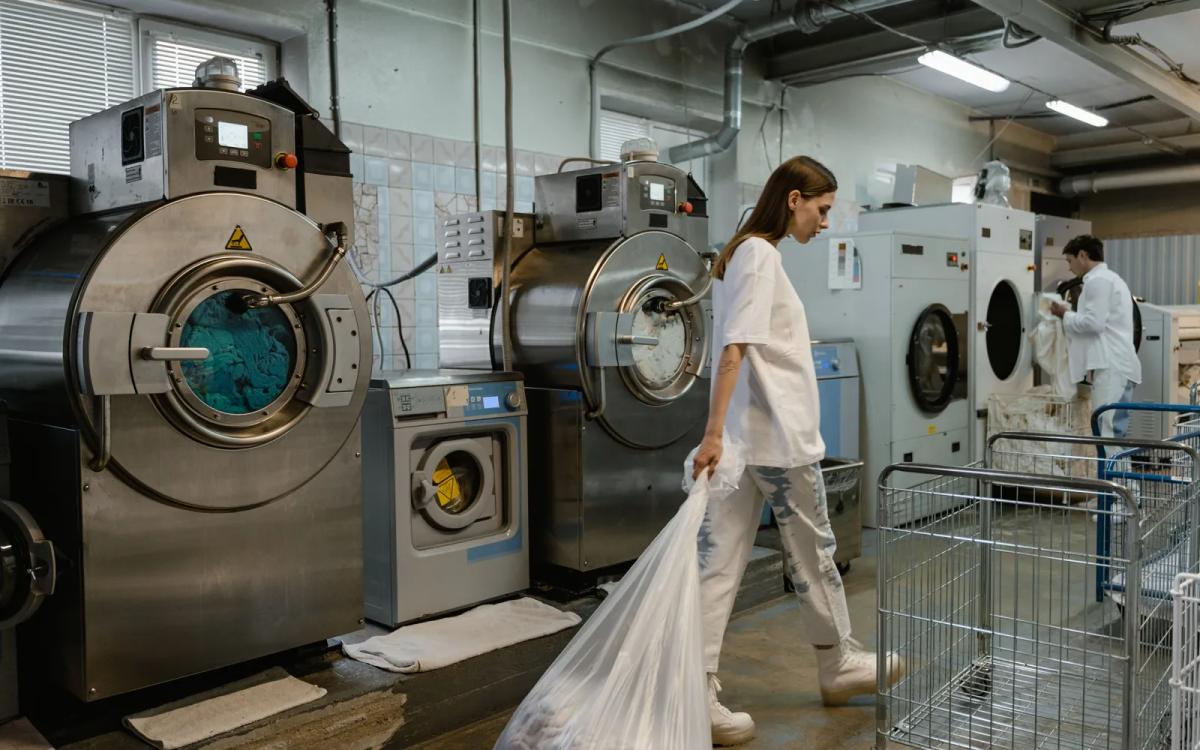
A lender sizes the loan on the income the business reports. On a change of ownership, the SOP has the lender verify the seller's financial data against IRS tax transcripts before the first disbursement (SBA Express loans are exempt from that step), so cash the seller says never made it onto a tax return cannot support your loan. Ask the seller for three years of tax returns, the matching business bank statements, reports from any card or app payment system, and two years of water bills. Water use rises with the number of loads, so the bills are a rough check on reported revenue. Our page on SBA loan requirements lists the documents a lender will ask of you as the buyer.
Plan on weeks for any SBA or bank loan. If you already run a store that carries a merchant cash advance and want one longer loan in its place, that has to be a conventional bank loan through our lending partner, because an SBA loan cannot pay off an active advance. Our SBA and bank loans page shows how the file moves from application to closing.
Laundromat equipment financing for washers and dryers
Equipment financing pays for the machines and uses them as the collateral, so the funder's claim is on the washers and dryers rather than on everything the business owns. Through our network it goes up to $500,000, offers typically come back in one to two business days once you have the distributor's quote, and the payment stays fixed for a term commonly between two and seven years. New and used machines can both be financed. Our equipment financing page covers the basics, and our guide to how equipment financing works compares loans and leases, down payments and terms.
The case for new machines usually rests on two numbers, how long they last and what they save on utilities, and both depend on the model, how hard the store runs them and local water and gas rates. ENERGY STAR reports that certified commercial clothes washers are on average 9% more efficient and use about 45% less water than standard models. Ask the distributor for each model's water and energy use per cycle, then compare it with your own utility bills before you count on a saving.
An SBA 7(a) loan can also pay for equipment, generally over as long as 10 years under the SOP. The longer term lowers the payment, and the loan takes weeks, so equipment financing suits a store that needs the machines working soon.
An example: replacing 20 washers
The figures below are an example only, not a quote or the terms of any funder. Say a store replaces 20 washers at an example price of $8,000 each, installed, puts 10% down and finances the rest over five years at an example rate of 9%. The store deposits an example $40,000 in a typical month.
| Item | Example figure |
|---|---|
| 20 washers at $8,000 each, installed | $160,000 |
| Down payment, 10% | $16,000 |
| Amount financed | $144,000 |
| Monthly payment, 60 months at 9% | $2,989 |
| Total of payments | $179,352 |
| Payment as a share of a $40,000 month | 7.5% |
If the new machines brought the water, sewer and gas bills down by an example $600 a month, the net cost of the upgrade would be about $2,389 a month. If they also lasted an example 10 years, the store would pay for them over the first five and run them with no payment for the last five.
Why cash only counts once it is deposited
Cash and coin revenue only counts with a funder once it is deposited in your business bank account. Revenue-based financing and lines of credit are decided mainly on four months of business bank statements, which you upload as PDFs or email to us, and a funder can only add up the sales it sees there. Quarters that pay a repair technician in cash, sit in a safe or go into a personal account never show up, so they cannot raise the amount you are offered.
Deposit the takings into the business account on a set schedule, keep personal money out of it, and pay bills from the account rather than from the coin room. Card readers on the machines and payment apps send money straight to the bank, so that part of the revenue arrives as deposits without anyone counting coins. Our guide to retail financing shows how funders read a steady stream of card deposits.
The funders we work with generally look for about a year in business and about $20,000 a month in deposits. If you're not there yet, apply anyway. Some funders work with newer or smaller businesses, and we'll tell you what's realistic.
Paying for a repair or a quiet month
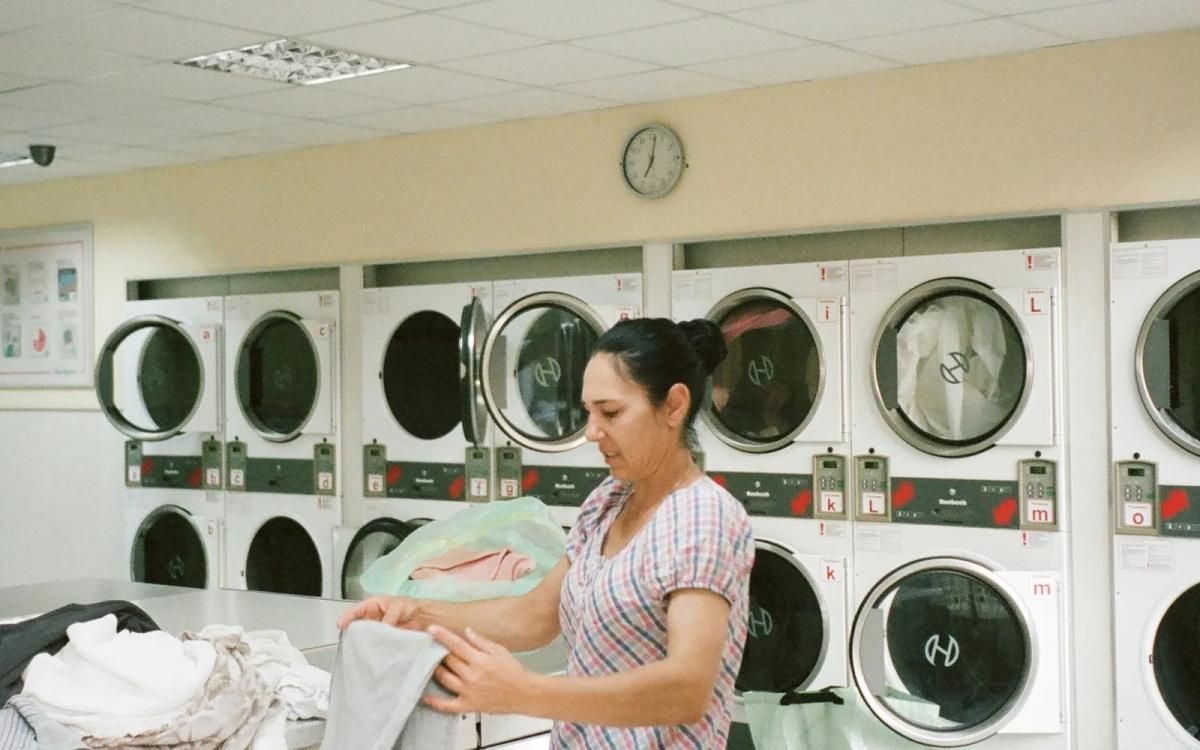
A broken bank of dryers, a failed water heater or a quiet month's bills cannot wait weeks for a long loan, and two products cover costs like these.
Revenue-based financing is a merchant cash advance. A funder buys part of your future sales for cash today, sizes the amount on your usual revenue, and collects a set daily or weekly payment until an agreed total is paid. Advances through our network run from $5,000 to $2,000,000 and are typically funded within one to two business days of choosing an offer, usually without collateral. The cost is set by a factor rate. As an example, a $25,000 advance at a factor rate of 1.28 means $32,000 paid back in total, a cost of $7,000, collected as 32 weekly payments of $1,000. For a store depositing an example $40,000 a month, each payment is about 11% of a usual week. The $7,000 is the price of having the dryers running again this week.
A business line of credit suits costs that come and go. A limit of up to $2,000,000 is set once, with offers in one to two business days. You draw what a repair or a quiet month needs, repay it weekly or monthly on what you drew, and draw again as the room comes back. Nothing is owed on the part you never use, so a line is worth setting up while business is steady.
Who each option suits
- An SBA 7(a) loan suits a buyer with a down payment, a lease that runs as long as the loan and a seller whose tax returns show the store's income.
- A conventional bank loan suits an established owner with strong statements, including one who wants a longer loan to replace an active merchant cash advance.
- Equipment financing suits an owner replacing or adding machines who wants the cost spread over their working life.
- Revenue-based financing suits an owner with steady deposits who needs money within a day or two for a repair, a machine or a quiet month.
- A line of credit suits an owner who wants money ready for costs that come and go.
How to apply
For machines, a repair or a line of credit, send our short application with four months of business bank statements and, for equipment, the distributor's quote. For a purchase, add the seller's last three years of tax returns, the lease, the machine list and a personal financial statement, and we will tell you which loan fits and what the lender will need. There is nothing to pay to apply or to see offers. Start your application or call us at (818) 351-0225.
Frequently asked questions
Can you get an SBA loan for a laundromat?
An SBA 7(a) loan can pay for buying a laundromat, and SBA Express covers loans up to $500,000. Today Capital Group helps owners get these loans through its lending partner, and the lender makes the loan and sets the terms within SBA limits. A 7(a) loan to buy a business is amortized over no more than 10 years, the lender looks closely at the lease, the machines and the seller's tax returns, and it takes weeks.
How long does a laundromat lease need to be for an SBA loan?
When the lesser of $500,000 or 30% of a 7(a) loan goes to improvements in leased space, or the same share of its collateral is improvements, fixtures or machines attached to that space, the SBA's SOP 50 10 says the lease term, counting renewal options only the borrower can exercise, should equal or exceed the loan term. On a 10-year loan to buy a laundromat, that means about 10 years left on the lease, options included, and the lender will also ask for an assignment of the lease and a waiver from the landlord.
How does laundromat equipment financing work?
Laundromat equipment financing pays the distributor for the washers and dryers and uses the machines as the collateral. The business repays a fixed amount each month, commonly over two to seven years, and owns the machines once the last payment is made on a finance agreement. Through Today Capital Group's network it goes up to $500,000, with offers typically in one to two business days.
Does cash from a laundromat count when you apply for funding?
Cash and coins count once they are deposited in the business bank account, because funders decide mainly on four months of business bank statements. Cash kept in a safe or spent before it reaches the bank does not appear on those statements, so steady deposits matter, and card or app payments make revenue easier to show.
How long does laundromat financing take?
Equipment financing and line of credit offers typically come back in one to two business days, and revenue-based financing is typically funded within one to two business days of choosing an offer. An SBA or bank loan to buy a laundromat takes weeks, because the lender reviews tax returns, the lease, the purchase agreement and a business valuation.