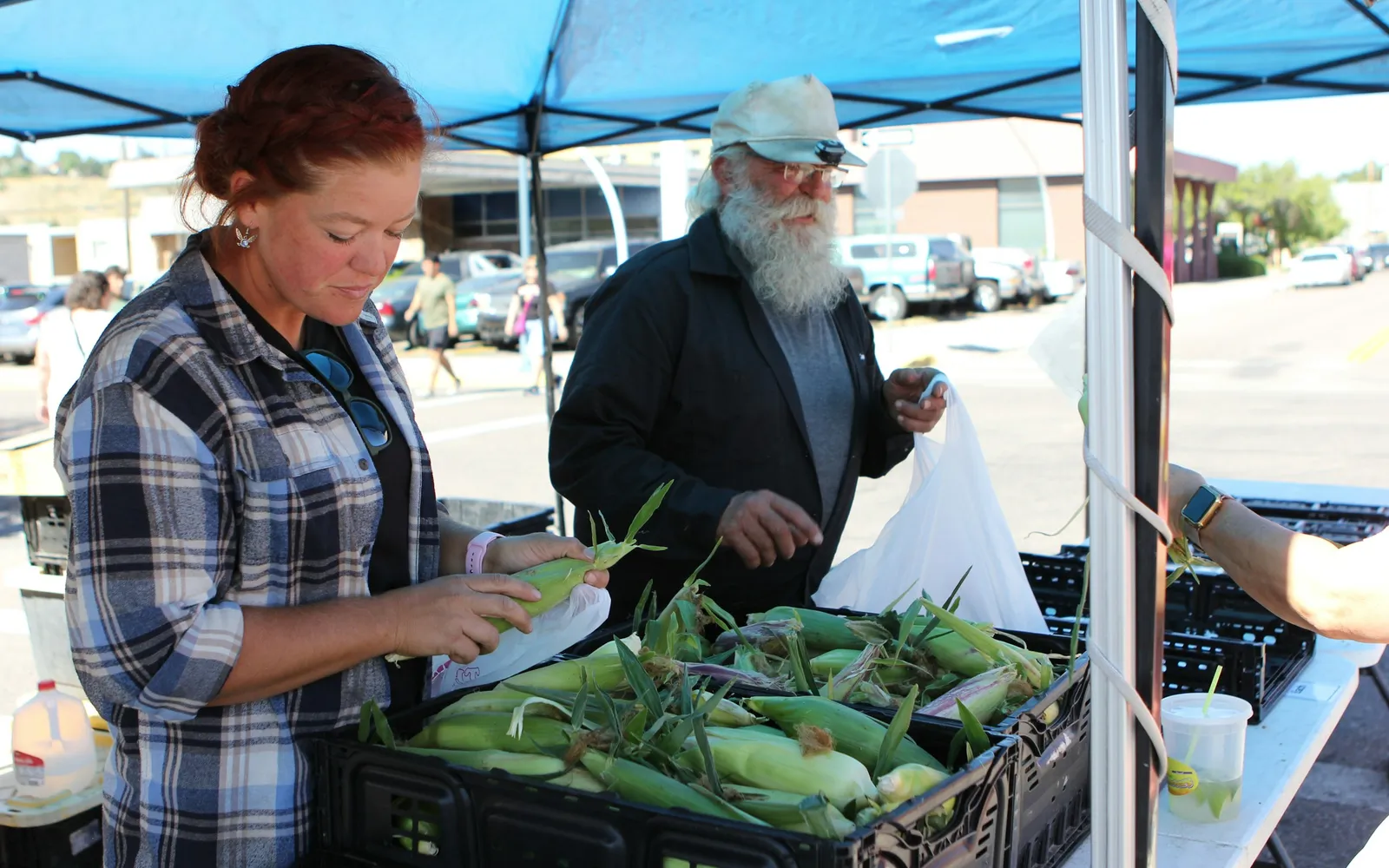
Small business loans in California range from a bank or SBA loan that takes weeks to revenue-based financing from $5,000 to $2,000,000, typically funded within one to two business days of choosing an offer, with lines of credit, equipment financing and a state guarantee program in between. On most non-bank offers of $500,000 or less, state law also requires a standard form that sets out the cost in dollars. Today Capital Group is a broker based in Woodland Hills. One application goes to the funders in our network, offers come back side by side, and we go through them with you before anything is signed. Every funder sets its own rules, including where it works.
The SBA Office of Advocacy's 2026 California small business profile counts 4.3 million small businesses, which is 99.8% of the state's businesses, employing 7.6 million people, or 47.4% of California employees. Professional services lead at 703,133 businesses. Transportation and warehousing comes second at 545,538, and 512,257 of those have no employees at all. For the steps any borrower follows, read our guide on how to get a business loan.
Small business loans in California, by what the money is for
We arrange each option below.
| What the money is for | What usually fits | Amount and timing |
|---|---|---|
| Buying stock before a season, like a Fresno farm supply store ahead of harvest | Revenue-based financing (a merchant cash advance) | $5,000 to $2,000,000, typically funded in one to two business days of choosing an offer |
| Covering costs while customers take 30 to 45 days to pay, like an Ontario carrier hauling containers inland from the ports | Line of credit | Up to $2,000,000, with offers in one to two business days |
| Adding a machine or a truck, like a Sacramento bakery buying a deck oven | Equipment financing | Up to $500,000, with offers typically in one to two business days |
| Replacing several daily debits, like a San Jose restaurant carrying two advances | Consolidation | One weekly or monthly payment on a longer term, although the total may not go down |
| A long-term purchase, like a Long Beach machine shop buying out a partner | SBA-equivalent and bank loans through partners | Monthly payments on terms the partner sets, usually weeks |
| Borrowing against a building you already own, like a San Diego auto shop | Commercial equity loan or line | Based on the equity in the property, commonly weeks because of the appraisal |
Revenue-based financing is future sales paid for in advance, sized on your usual revenue and repaid with a set daily or weekly payment. A bank usually costs the least if your file suits one, and the SBA profile shows banks reporting under the Community Reinvestment Act issued $11.3 billion in new loans in 2024 to California businesses with revenues of $1 million or less.
What payroll, diesel and insurance cost in California
The state minimum wage is $16.90 an hour from January 1, 2026, and the Governor's office has announced $17.40 from January 1, 2027. Cities can set more, and covered fast food chains with at least 60 locations nationwide must pay at least $20. Fresno, Riverside and Ontario do not appear on the UC Berkeley inventory of local wage laws that the state's FAQ links to, so employers there start at the state rate.
| Where or who | Minimum per hour | Wages for one full-time worker, per year |
|---|---|---|
| State rate, including Fresno, Riverside and Ontario | $16.90 | $35,152 |
| City of San Diego | $17.75 | $36,920 |
| City of Los Angeles, from July 1, 2026 | $18.42 | $38,314 |
| City of San Francisco, from July 1, 2026 | $19.61 | $40,789 |
| Fast food chains, since April 1, 2024 | $20.00 | $41,600 |
The yearly figures are 2,080 hours at the hourly rate, before payroll taxes. The January 2027 step adds $1,040 a year for each full-time worker at the state rate, so a Bakersfield shop with 12 of them needs another $12,480 in wages.
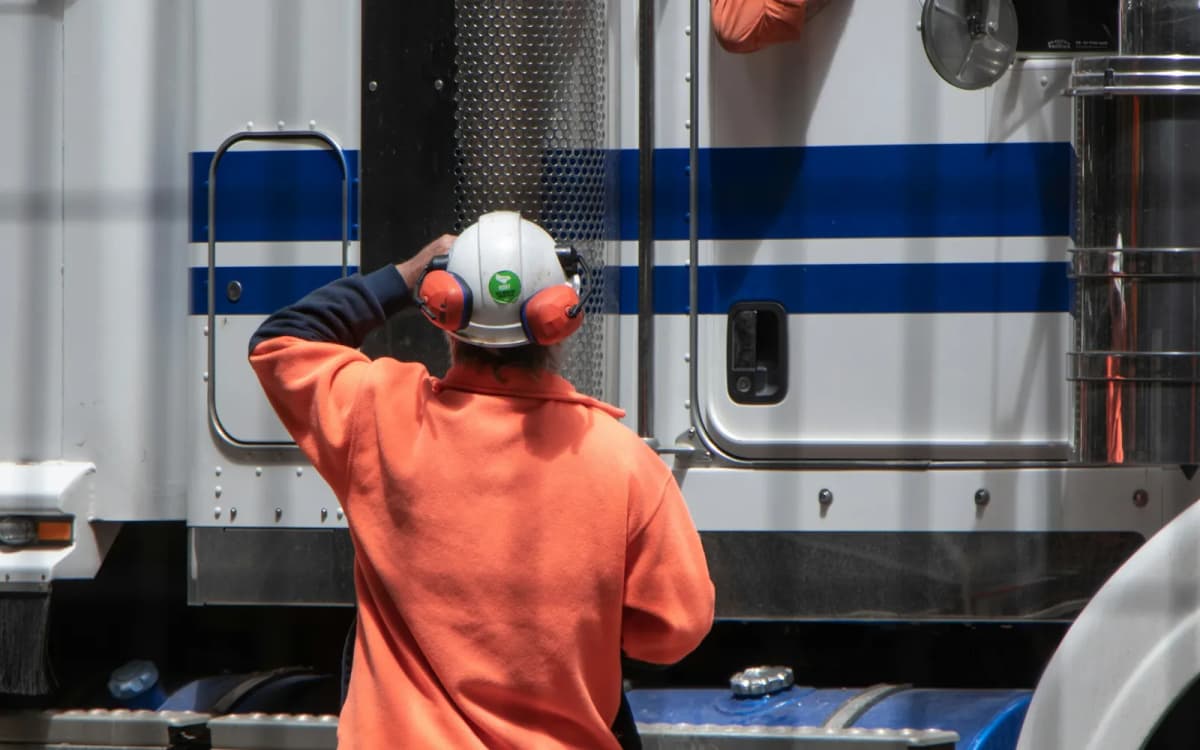
Diesel comes next. The U.S. Energy Information Administration's annual averages put on-highway diesel at $4.85 a gallon in California in 2025, against $3.66 for the country. A truck burning 400 gallons a week pays about $476 more a week at that $1.19 gap. An Inland Empire carrier buys that fuel today and waits 30 or 45 days for the freight check, and our guide to trucking financing covers how carriers handle that wait.
Property insurance depends on where your building sits. The California Department of Insurance says the FAIR Plan, the insurer of last resort, has grown as regular insurers retreat from high-risk areas, and in March 2025 it approved higher commercial limits of $20 million per building and $100 million per location. If your carrier will not renew, get the new premium in hand before you size any funding. After a declared disaster, the SBA offers physical damage loans of up to $2 million for losses insurance does not cover, plus working capital loans for economic injury. We do not place SBA disaster loans, so you would apply with the SBA directly.
State-backed loans and free advice in California
We do not place anything in this section, and each program has its own lender and rules. The state's main program is the Small Business Loan Guarantee Program at IBank, the California Infrastructure and Economic Development Bank, which reports supporting $457 million in loans in fiscal 2025-26. IBank guarantees part of a loan from a participating lender, so you apply through the lender or one of seven nonprofit Financial Development Corporations. Businesses with 1 to 750 employees can qualify, including trucking owner-operators registered as a legal business entity, and the money can go to inventory, working capital, lines of credit or agriculture. IBank's fact sheet lists guarantees of up to 80% of the loan and up to $5 million for up to 7 years. IBank also runs a Farm Loan Program for small farms.
For free advice, the California Office of the Small Business Advocate (CalOSBA) directs owners to more than 150 centers with low-cost or no-cost services and advisors who speak your language, and the SBA profile counts 25.2% of California businesses as Hispanic-owned and 23.6% as Asian-owned. Its Outsmart Disaster program trains owners to prepare for the next disaster. The state's Small Business Development Centers list 56 centers and satellite offices with no-cost consulting, under regional networks such as Norcal, Central California, Los Angeles, Orange County Inland Empire, and San Diego and Imperial.
Real SBA loans are information only here, since Today Capital Group does not place them. A 7(a) loan is the SBA's primary business loan, made by a private lender with an SBA guarantee, up to $5 million. California has six SBA district offices, and each can help you find lenders in its area.
- The Fresno office covers 15 counties, including Fresno, Kern, Tulare, Merced and Monterey.
- The Santa Ana office covers Orange, San Bernardino and Riverside counties, which takes in the Inland Empire.
- The Los Angeles office covers Los Angeles, Ventura and Santa Barbara counties.
- The Sacramento district office, in Citrus Heights, covers 21 counties from Siskiyou south to San Joaquin.
- The San Francisco office covers 14 Bay Area and North Coast counties, including Alameda, Santa Clara and Humboldt.
- The San Diego office covers San Diego and Imperial counties.
Through our partners we offer SBA-equivalent loans, long-term loans with monthly payments where the partner sets the terms. They sit outside the SBA program, so they can even pay off advances, and the file usually needs tax returns, a personal financial statement and a debt schedule.
What California's form shows on a merchant cash advance
A merchant cash advance in California falls under Senate Bill 1235, now Financial Code sections 22800 to 22807, and the regulations at 10 CCR section 900 onward. The rule covers a specific offer of $500,000 or less to a business principally directed or managed from California. The provider has to give you the disclosure when it makes the offer and get your signature before the deal closes, and an electronic signature counts. This section is general information, not legal advice.
The form is a separate document headed OFFER SUMMARY, followed by a short product name such as Merchant Cash Advance. The regulation calls an advance sales-based financing, a term that includes a set payment with a true-up mechanism, its phrase for a reconciliation clause. Section 914 sets that table at nine rows and three columns, with one more row when payments are not monthly. Other products get their own tables, and not every offer gets one.
| The offer | Does it come with the form? |
|---|---|
| Merchant cash advance of $500,000 or less | Yes, the section 914 table |
| Non-bank line of credit with a limit of $500,000 or less | Yes, a table with rows such as Draw Period and Average Monthly Cost |
| Non-bank equipment loan or lease with a purchase option, $500,000 or less | Yes, a table of its own |
| Loan from a bank or credit union | No, depository institutions are exempt |
| Loan from a lender under the federal Farm Credit Act | No, these lenders are exempt |
| Loan secured by real property, such as a commercial equity loan | No, these deals are exempt |
| Any offer over $500,000 | No, so you read the funder's own documents |
The statute has a few narrower exemptions as well. When an offer does fall under the rule, here is what to ask for.
- Ask for the OFFER SUMMARY on each offer, as a document separate from the contract.
- If less reaches your account than Funding Provided, ask for the sheet titled Itemization of Amount Financed, which shows the Amount Given Directly to You.
- Read Payment Terms, which has to explain how a set payment was calculated and how any true-up clause works.
- Read the two Prepayment lines, which say whether paying early still leaves you owing part of the finance charge or added fees.
Our walk through a merchant cash advance contract covers the pages behind the form.
How a Fresno farm supply store's advance looks on the form
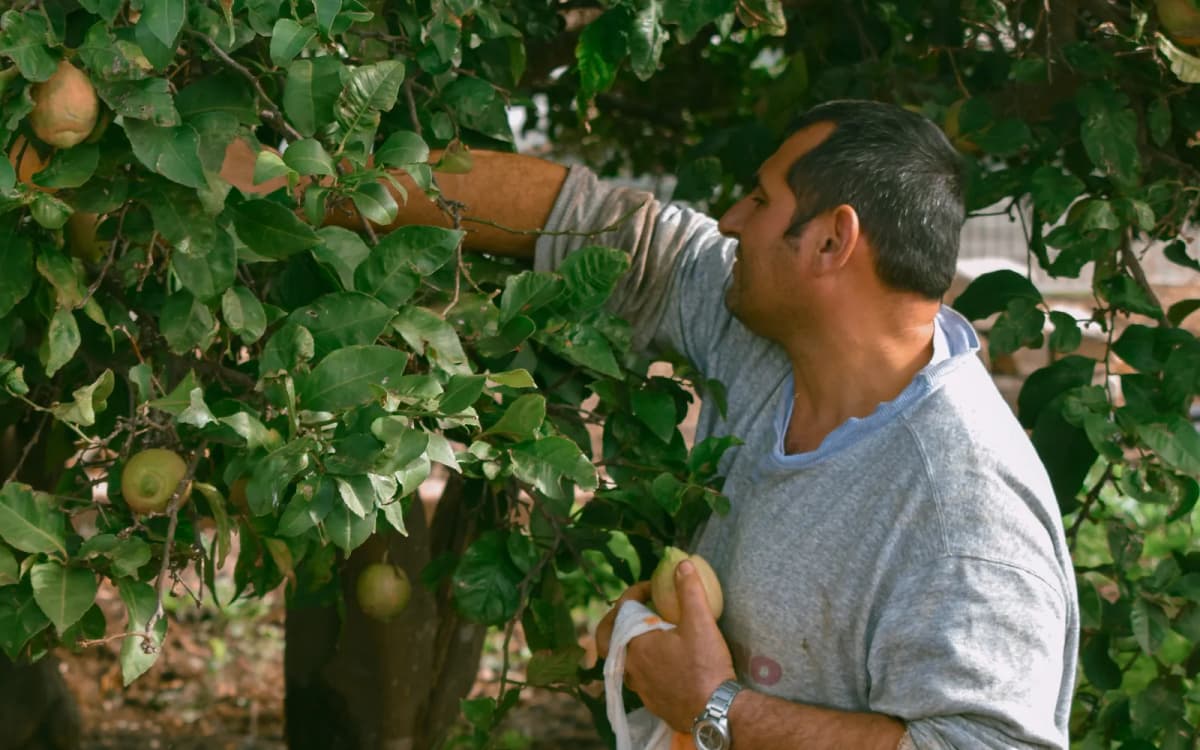
California farms and ranches took in $64.7 billion in cash receipts in 2025, led by dairy, almonds, cattle and grapes, according to the state Department of Food and Agriculture. The figures below are an example only, not a quote, a real disclosure or any funder's terms.
Say a farm supply store in Fresno sells irrigation parts, picking bags, bins and tools, and takes in about $140,000 a month on average, with about $85,000 in its slowest month. In March the owner wants $100,000 of stock on the floor before growers start ordering for harvest. If the store takes a $100,000 advance at a factor rate of 1.28, it repays $128,000 in total through 40 set weekly payments of $3,200, so the money costs $28,000. With a true-up clause in the contract and nothing withheld at funding, those numbers would sit in California's rows like this.
| Row on the form | What this example would show |
|---|---|
| Funding Provided | $100,000 |
| Finance Charge | $28,000 |
| Estimated Total Payment Amount | $128,000 |
| Estimated Monthly Cost | $13,867, the row added because payments are weekly ($3,200 x 52 / 12) |
| Estimated Payment | $3,200 / week |
| Payment Terms | How the $3,200 was set (about 10% of estimated income here) and how the true-up clause works |
| Estimated Term | 280 days, since a term of a year or less is shown in days |
| Prepayment | If the contract gives no early payoff discount, that you still owe all or part of the finance charge, up to $28,000 |
These rows carry this example's figures, and the funder fills in the whole table, so read every row. You can get the factor rate back from the form, because $128,000 divided by $100,000 is 1.28.
Next, run the winter number. The $13,867 is about 10% of an average month and about 16% of an $85,000 month. A 40-week term that starts in early March ends in early December, so most of the slow winter comes after the last payment. If that stock sells for about $150,000 across harvest, the store earns $50,000 in gross margin on it, against the $28,000 cost. Our guide to seasonal business loans goes further on timing a term, and a line of credit could cover the same purchase, drawn as orders arrive and paid down as growers settle.
How to apply for funding from California
- If you run a corporation or LLC, get the Franchise Tax Board's free entity status letter, which shows whether the state's tax agency has you in good standing. Clear any problem first, and remember that every LLC doing business here owes the $800 annual tax.
- Search your business name in the Secretary of State's UCC Connect, so you know who already has a filing against your receivables.
- Gather your last four months of business bank statements as PDFs. Four months is also the shortest history California's rule lets a funder average when it estimates your income from your past figures.
- Send one application, and upload the statements or email them to us. Applying and seeing offers costs nothing, and getting matched does not need a hard credit pull, although a funder may run one in final underwriting and you would know first.
- Lay each OFFER SUMMARY next to the others using our guide to comparing business loan offers, and call us at (818) 351-0225 with any row you want explained.
The funders we work with generally look for about a year in business and about $20,000 a month in deposits. If you're not there yet, apply anyway. Some funders work with newer or smaller businesses, and we'll tell you what's realistic. If your file is thin, our list of the easiest business loans to get ranks the options.
Common questions from California owners
What does California require on a merchant cash advance?
On an offer of $500,000 or less to a business run from California, the provider must give you a separate form headed OFFER SUMMARY when it makes the offer and get your signature before the deal closes. This is general information, not legal advice.
Does California have a state small business loan program?
California's main program is IBank's Small Business Loan Guarantee Program, which guarantees part of a loan made by a participating lender for businesses with 1 to 750 employees. You apply through the lender or a Financial Development Corporation, and Today Capital Group does not place these loans.
Do bank loans in California come with the state's disclosure form?
California's form does not apply to banks, credit unions or lenders regulated under the federal Farm Credit Act, or to deals secured by real property. You would read those offers in the lender's own documents.
Can a trucking owner-operator in California apply for a small business loan?
Owner-operators can apply. IBank's guarantee program says they are eligible when registered as a legal business entity, and for revenue-based financing, the funders in our network decide mainly on four months of business bank statements.
Where can a California owner get free help with a business loan?
Start with a Small Business Development Center, since the California network lists 56 centers and satellite offices with no-cost consulting, or with one of the six SBA district offices. CalOSBA also directs owners to low-cost and no-cost advisors across the state.
